

The Impact of Braces on TMJ, Jaw Alignment and the Nervous System
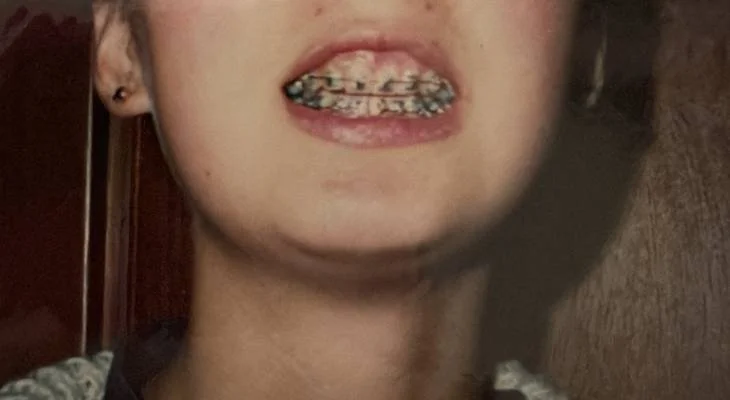
A Craniosacral Perspective on OrthodonticsA typical Orthodontic treatment, which includes braces and aligners, is often approached from a structural and aesthetic perspective, i.e., straightening teeth, improving bite alignment, and supporting oral health.
But they often overlook how these adjustments can and do affect the whole structure and alignment of the body. The jaw, although seen as a floating bone in the body, is not an isolated structure. It has a deep relationship with the temporomandibular joint (TMJ), all the cranial bones (particularly the sphenoid and temporal bones), the upper cervical spine (C1 -3), and the nervous system.
So when we begin to shift the position of the teeth, we’re also influencing this wider, interconnected system.
From a craniosacral therapy (CST) and nervous system perspective, orthodontic treatment can absolutely support better balance and function. But at times, it can also introduce a layer of strain on the body as it adapts and reorganises itself.
How Braces and Aligners Influence the Jaw and TMJ
Braces and Invisalign work by applying gentle, continuous pressure over time, guiding the teeth into new positions. This can improve the bite and overall alignment, but it also changes how the jaw rests, moves, and absorbs force.
It’s not just the teeth that are adapting the upper palate; the maxilla, and even structures linked to the cranial system and cranial nerves, are all involved in this process.
From a TMJ and whole-body perspective, you might notice that these changes:
Shift the resting position of the jaw
Alter how force moves through the TMJ
Influence muscle activity in the face and jaw
Subtly affect the cranial bones, especially the temporal bones
Impact the upper cervical spine (C1–C3)
Affect the trigeminal nerve and the brainstem
Create changes through the fascial system, which runs through the whole body.
For some people, this process leads to better balance and less long-term strain.
But for others, especially if there’s already sensitivity, tension patterns, or a more activated nervous system, the adjustment period can feel a little less smooth.
One might notice:
Jaw tension or TMJ discomfort
Clicking, popping, or restriction
Increased clenching or grinding
Changes in posture through the head, neck, or spine
Neck pain, constant headaches, or a sense of nervous system overwhelm
None of this means something has gone wrong. It’s often just the body working out how to adapt to the new change.
In some cases, orthodontic treatment can actually improve TMJ symptoms, particularly if bite alignment was part of the issue. In others, symptoms may temporarily increase before things settle.
A lot depends on how the individual body integrates change.
A Craniosacral Perspective: Subtle but Significant
From a craniosacral perspective, the body isn’t only structural, it’s also fluid and rhythmic.
The craniosacral system (the skull, spine, and sacrum) has a subtle, natural motion that reflects how the nervous system is functioning and how the body is holding or releasing tension.
Braces introduce a consistent external force into that system.
Sometimes the body absorbs this seamlessly. Other times, it can create a sense of internal pressure or holding while things try to reorganise.
You might notice this as:
A heightened sense of stress or sensitivity
Difficulty fully letting the jaw relax
Small changes in breathing or internal space
Tension in the neck and shoulders
It’s rarely a sign that anything is “wrong” more than the body is adjusting to a new relationship within itself and may need added support to help it to readjust smoothly
The Nervous System Response
The jaw has a direct line to the nervous system through the trigeminal nerve and its connection to the brainstem.
So when there is ongoing pressure, even gentle, therapeutic pressure, the nervous system is receiving that input constantly. For some, this is neutral. For others, particularly those already holding stress or tension, it can show up as:
Increased clenching or muscle guarding
A more reactive stress response
Periods of nervous system dysregulation
This can help explain why some people notice more TMJ symptoms, headaches, or neck tension during orthodontic treatment.
The Neck and Postural Changes
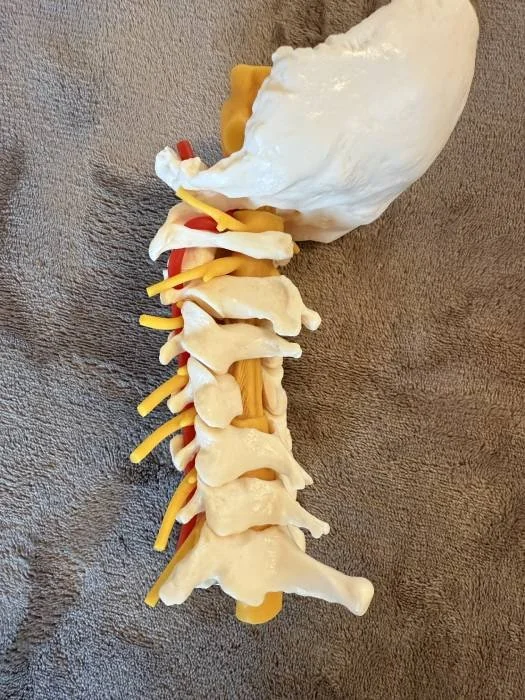
The jaw and upper cervical spine (C1–C3) are closely linked, both neurologically and through the fascial system. So as the bite shifts, the body will naturally adapt its posture in response to the bite. Changes can subtly influence:
Head position
Neck muscle tone
Shoulder alignment and
Overall posture
Over time, this might show up as neck stiffness, shoulder tension, or new movement patterns. In many cases, the body finds its way back toward balance once treatment settles, but support during the process can make a huge difference.
Supporting the Body Through Orthodontic Treatment
The aim isn’t to avoid orthodontic work; it’s to support the body while it adapts to the new way of being.
From a TMJ and craniosacral perspective, that might include:
Gently releasing jaw and facial tension
Supporting cranial and fascial mobility
Regulating the nervous system
Working with the upper cervical spine
Building awareness around clenching or holding patterns
Craniosacral therapy can be a very helpful support. It’s gentle, non-invasive, and works with the body’s natural rhythms rather than forcing change.
Many people find it helps to:
Ease TMJ discomfort
Reduce jaw tension and clenching
Support relaxation
Settle the nervous system
Create a greater sense of ease overall and ease
A More Integrated Way of Looking at Braces and TMJ
Braces and aligners don’t just move teeth; they influence a system that includes the jaw, skull, spine, and nervous system. When that wider picture is acknowledged, the whole experience can often become smoother and more supportive.
Important note:
This perspective is intended to complement, not replace, orthodontic or medical care. Every individual responds differently. If you’re experiencing ongoing TMJ pain or discomfort during treatment, it’s important to speak with your orthodontist or healthcare provider.